六標準差 — 以數據打造 近零缺陷 零件
六標準差 is the data-driven discipline that targets no more than 每百萬機會 3.4 個缺陷. 在 Layana we have run an in-house 六標準差 program since 2000 — completing 18 場有紀錄的專案活動 並驗證 1 位 Champion、4 位 Master Black Belt、10 位 Black Belt 與 10 位 Green Belt. Below: what 六標準差 is, how DMAIC and DMADV work, the belt hierarchy, and why it makes Layana a measurably lower-risk sourcing partner.
選擇把 缺陷視為數據的製造商
Layana is an IATF 16949 certified manufacturer that has practiced 六標準差 in-house for 25 年. 品質 is not bolted on by inspectors at the end of a line — it is engineered upstream, statistically controlled, and continuously improved by trained Black and 綠帶s working alongside operators. The result for customers is lower scrap, fewer line-stops, and a measurably more predictable supplier.
- 25 年 of in-house 六標準差 practice and project events
- 25 位認證帶級人員 — 包含 4 位 Master Black Belt 與 10 位 Black Belt
- DMAIC + DMADV — 改善既有產線並依規格設計新流程
- AI-integrated 六標準差 improvements (2025) — modern statistical practice
重點摘要
- 六標準差 is a data-driven quality methodology that targets no more than 每百萬機會 3.4 個缺陷 — 相當於 99.99966% 無缺陷輸出。
- 它使用兩條互補路線: DMAIC 用於改善既有流程,以及 DMADV (設計 for 六標準差) to design new products and processes to that quality level from the start.
- 實務人員依帶級組織: 白帶、綠帶、黑帶、大黑帶 and 鑽石帶 — a hierarchy that defines training depth, project role and organizational impact.
- 這套方法帶來四方面回報: 更好品質, 更高效率, 更低成本 and 更高客戶滿意度.
- Layana launched 六標準差 training in 2000, ran the first project event in 2003, completed its 18th event in December 2025, and today maintains 1 位 Champion、4 位 Master Black Belt、10 位 Black Belt 與 10 位 Green Belt.
導覽 跳至段落
什麼是 六標準差?
六標準差是一套資料驅動的品質管理方法,目標是盡可能降低流程與產品變異。它以統計原理為基礎,追求不超過 每百萬機會 3.4 個缺陷 (DPMO)的長期水準,並透過嚴謹資料蒐集、分析與改善確保流程穩定與一致。
The name comes from statistics: a 六標準差 process has six standard deviations between its mean and the nearest specification limit. In practice, that translates to producing fewer than 3.4 件不良品 — a level of consistency that distinguishes world-class manufacturers from average ones.
六標準差不只是工具箱,而是一種 工作方式 — one that replaces "I think" with "the data says," and treats every recurring defect as a question to be answered with measurement, not opinion. Done well, it builds an organization where every operator, engineer and manager speaks the same statistical language.
Where 六標準差 Applies
六標準差 is industry-agnostic. Anywhere there is complexity and variability — and a process you can measure — 六標準差 can provide a path for continuous improvement.
此方法可應用於 製造、服務、醫療與金融, and it adapts equally well to production lines, supply-chain management, product design, customer service and management decision-making. Regardless of an organization's size, if a process produces measurable output that varies in a way the business cares about, 六標準差 can be applied.
In Layana's world — 精密金屬沖壓、塑膠射出、埋入射出、包覆射出與組裝 — 六標準差 is used to tighten critical dimensions, stabilize cycle times, reduce scrap, and qualify new processes and equipment before they ever produce a saleable part.
What 六標準差 真正帶來的價值
Done well, 六標準差 compounds value across four dimensions that customers and operators feel directly.
更高品質
主要目標是降低缺陷率並提升產品與服務品質。資料分析與改善可協助組織更好滿足客戶期待,並防止品質問題重複發生。
更高效率
降低變異可提升流程效率。團隊能識別並消除浪費、縮短週期時間,並在不增加成本下提升產能。
更低成本
更少缺陷與更高效率可降低生產成本,包括減少報廢、重工、維護支出,並更有效利用現場資源。
客戶滿意度
更高品質輸出能贏得客戶忠誠、強化長期關係並擴大市占,而這一切從可預測的零件開始。
93.32% 良率
99.38% 良率
99.977% 良率
99.99966% 良率
The DMAIC Methodology
DMAIC is the five-phase roadmap a 六標準差 team uses to improve an existing process that is producing too many defects, taking too long, or running too inconsistently. It is the most widely used 六標準差 method in factory manufacturing.
定義
Set the project's goals, scope and KPIs. A clear, sharp problem statement is decisive for project success.
量測
Collect relevant data and analyze current process performance to establish a baseline and surface existing issues.
分析
Use statistical tools to identify potential root causes — explaining why the problem occurs so the fix is targeted, not symptomatic.
改善
Develop and pilot improvement plans that cut variability and raise quality. Select the best solution and prove it works before scaling.
控制
Lock in the gain. Implement monitoring, standardize processes and prevent regression so the improvement stays improved.
DMAIC vs. DMADV — 改善與設計
When the problem is a process that already exists, use DMAIC. When the problem is that a process or product doesn't exist yet, use DMADV — also known as 設計 for 六標準差 (DFSS). The two share a starting trio (定義, 量測, 分析) but diverge in their goal.
用於既有流程
將既有流程納入統計控制,並提升至六標準差表現。用於降低工廠既有作業中的缺陷、報廢、週期時間與變異。
用於新產品與新流程
從第一天起將全新產品或流程設計到六標準差品質,在設計階段預防缺陷,而不是到現場才追問題。常用於 NPI、模治具設計與設備驗證。
定義
定義新產品或服務的目標與客戶需求,並清楚界定專案範圍與成功標準。
量測
蒐集並分析相似既有流程或產品資料,以建立性能基準。
分析
判定影響客戶關鍵性能的根本因素,作為下一階段設計決策的基礎。
設計
依據分析結果開發新產品或新流程設計,包括工程設計、流程設計、模治具與控制方式。
驗證
測試並評估新設計是否符合客戶需求並達到目標性能。
In January 2024, Layana ran its first DMADV project as the centerpiece of the 17th 六標準差 project event — a milestone shift from improving existing lines to designing new ones to 六標準差 quality from the outset.
五大 帶級
六標準差 uses a belt hierarchy to denote training, experience and project role. Different levels ensure an organization has the right skills in the right seats to run projects and achieve quality improvement goals.
| 帶級 | 角色 | 主要任務 |
|---|---|---|
| 白帶 | 基礎認知與支援基礎訓練 | 接受六標準差基礎認知訓練,理解核心原則,並透過知識分享與資料蒐集支援專案團隊。 |
| 綠帶 | 專案參與者兼任專案角色 | 接受更深入的六標準差訓練,在專案團隊中擔任支援角色,負責特定面向並使用六標準差工具進行資料分析、根因辨識與改善規劃。 |
| 黑帶 | 專案領導者進階統計 | 能端到端領導六標準差專案團隊的專家,涵蓋問題定義、資料蒐集、分析、改善設計、導入與監控,通常擔任領導職並協調多個專案。 |
| 大黑帶 | 教練與策略推動者訓練其他帶級 | 領導策略與訓練的資深專業人員,指導多個專案與團隊,輔導黑帶與綠帶,並在組織內深化六標準差文化。 |
| 鑽石帶 | 策略決策者高階指導 | 最高級別。能為組織提供進階指導的策略決策者與顧問,適合處理複雜問題並推動公司層級的策略變革。 |
Layana 認證 六標準差 帶級s
Layana maintains 25 active certified belts across every level of seniority — from operators and engineers to general managers and presidents — embedding statistical discipline at every layer of the organization.
| 級別 | 人數 | 人員 |
|---|---|---|
| Champion | 1 |
Layard Lai
|
| 大黑帶 | 4 |
Bonnie Lai 經理
Penny Lin 總經理
TN Chen 顧問
Mike Lai 總裁 · 中國
|
| 黑帶 | 10 |
Alex Lai 董事長 · 台灣
Jenny Yang 顧問
Ming-Jie Shih 製造副總經理
Jack Lee 經理
Mark Chen 研發副總經理
Molly Yang 經理
Debbie Shih 餐具事業副總經理
Jian-Yao Yang 技術主管
Shi-Chin Lee 經理
Aly Chen 經理
|
| 綠帶 | 10 |
Amanda Lu
Sophia Yeh
Cheng-Du Lin
Ming-Hong Guo
Willie Zhang
William Chang
Ji-Shan Sun
Yi-Ren You
Yao-cheng Yang
Winnie Chuang
|
A 25 年 六標準差 Journey
自 2000 年起,Layana 使用六標準差解決長期問題並追求持續改善。請瀏覽以下里程碑。
六標準差訓練啟動
- 全公司啟動六標準差訓練課程,開啟 Layana 資料驅動品質文化。
第一屆六標準差專案活動
- 第一屆六標準差專案活動於台北舉行。
- 與 Kind Consulting 開始導入 ISO/TS 16949:2002。
中國生產力中心輔導
- 第二屆六標準差專案活動於台中舉行。
- 六標準差方法正式由中國生產力中心輔導。
SPC 導入
- 正式導入統計製程管制,將 IATF 16949 核心工具之一納入日常生產。
台灣訓練品質系統銀牌獎
- Layana 結構化訓練與品質計畫獲得國家級肯定。
第 16 屆六標準差專案活動
- Layana 再次確認核心價值 — 追求卓越,止於至善 — 透過跨部門改善專案持續實踐。
第 17 屆活動 — 第一個 DMADV 專案
- 第 17 屆六標準差專案活動於 1 月 19 日舉行。
- Layana's first DMADV (設計 for 六標準差) 專案 — 代表從改善既有產線轉向以六標準差品質設計新流程。
第 18 屆活動 — AI 整合六標準差
- 第 18 屆六標準差專案活動於 2025 年 12 月 25 日聖誕節舉行。
- 五位候選人發表結合 AI 工具 與六標準差方法的專案,為 Layana 持續改善開啟新篇章。
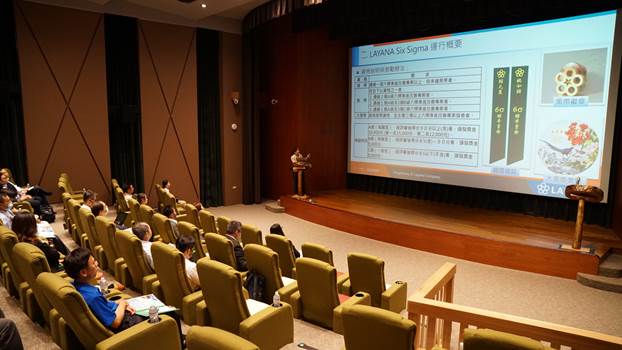
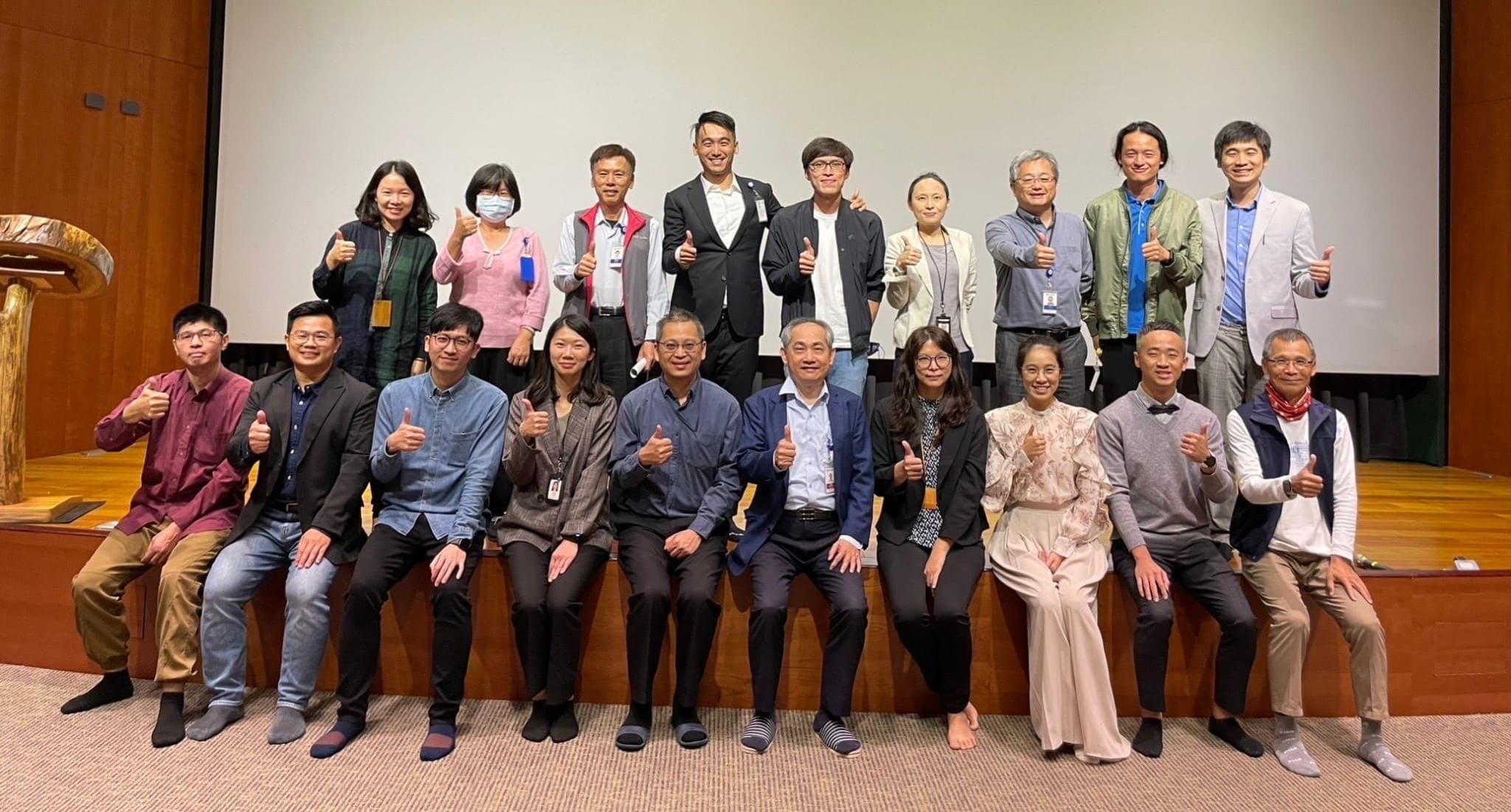
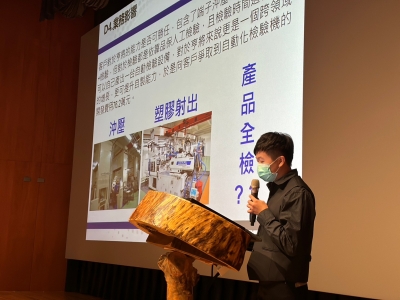
Recent 六標準差 專案活動
年度發表活動,由 Layana 帶級人員向同仁與主管展示完成的改善專案,是我們品質文化的核心節奏。
改善是一種 習慣,不是一次性專案
六標準差是一套強大的方法,但真正力量在於文化。只有當組織承諾把缺陷視為 數據,而不是意見並處理根本原因而非表面症狀時,DMAIC、DMADV、帶級制度與統計工具才會發揮效果。
在 Layana,這份承諾已有 25 年深度。18 屆專案活動、25 位認證帶級人員、兩套方法並行實踐,以及每年公開發表的節奏,讓資料驅動改善成為公司運作方式的一部分。
"追求卓越,止於至善."
— Core 六標準差 value at Layana六標準差常見問題
六標準差是一套資料驅動的品質管理方法,目標是盡可能降低流程或產品變異。它以統計原理為基礎,長期追求每百萬機會不超過 3.4 個缺陷。
DMAIC 用於改善未達規格的既有流程。DMADV 又稱六標準差設計,用於從零開始設計達到六標準差品質水準的新產品或新流程。
六標準差使用帶級制度:白帶、綠帶、黑帶、大黑帶與鑽石帶,用來定義訓練深度、專案角色與組織影響力。
六標準差流程每百萬機會最多產生 3.4 個缺陷,約等於 99.99966% 的無缺陷輸出。
六標準差可應用於任何具有複雜度與變異的組織,包括製造、服務、醫療與金融。Layana 將其應用於金屬沖壓、塑膠射出、埋入射出、包覆射出與自動化組裝。
有。Layana 於 2000 年啟動六標準差訓練,2003 年舉辦第一屆專案發表。今日共有 1 位 Champion、4 位 Master Black Belt、10 位 Black Belt、10 位 Green Belt,並完成 18 屆專案活動,包括 DMADV 與 2025 年 AI 整合改善。