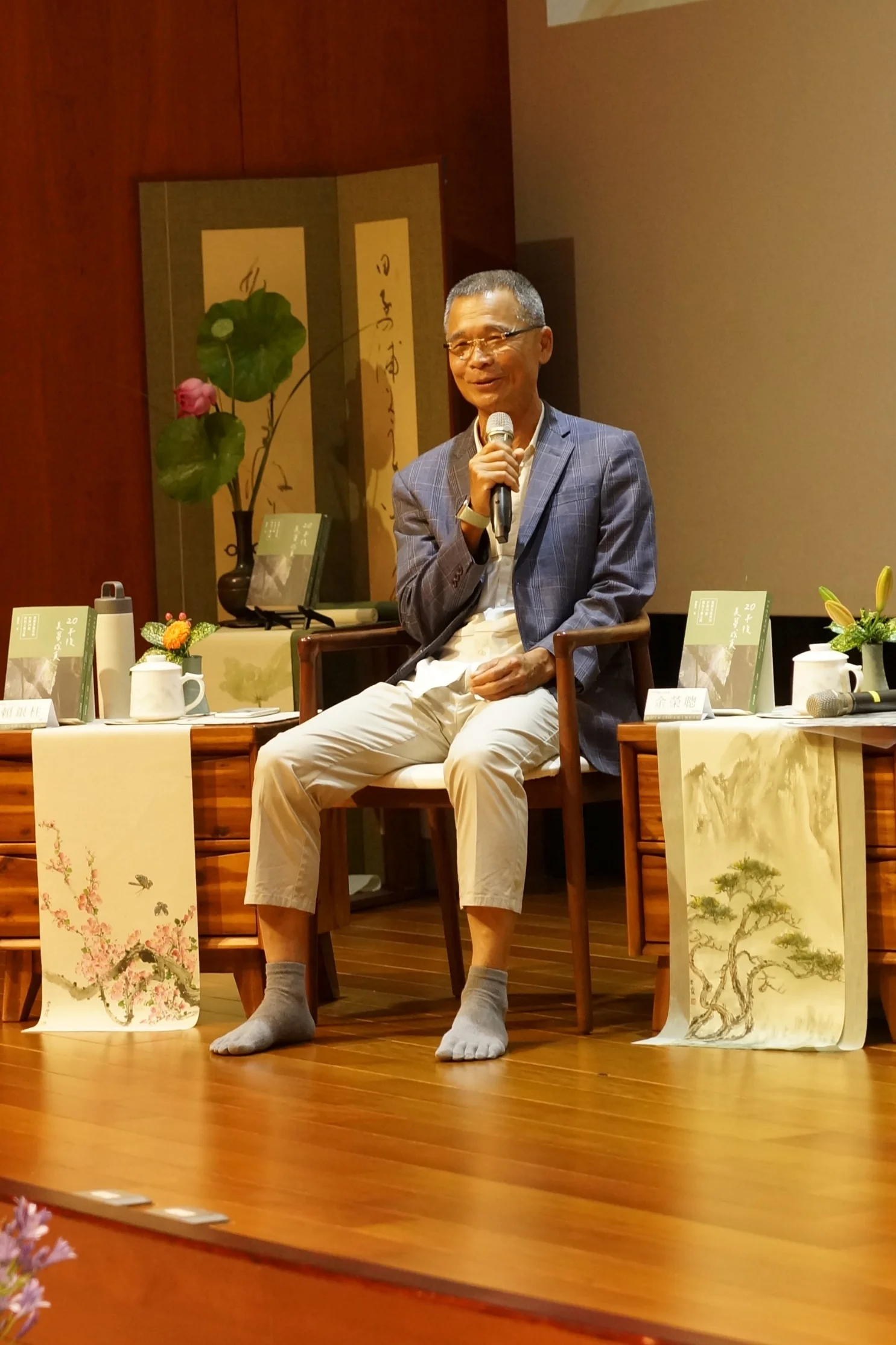
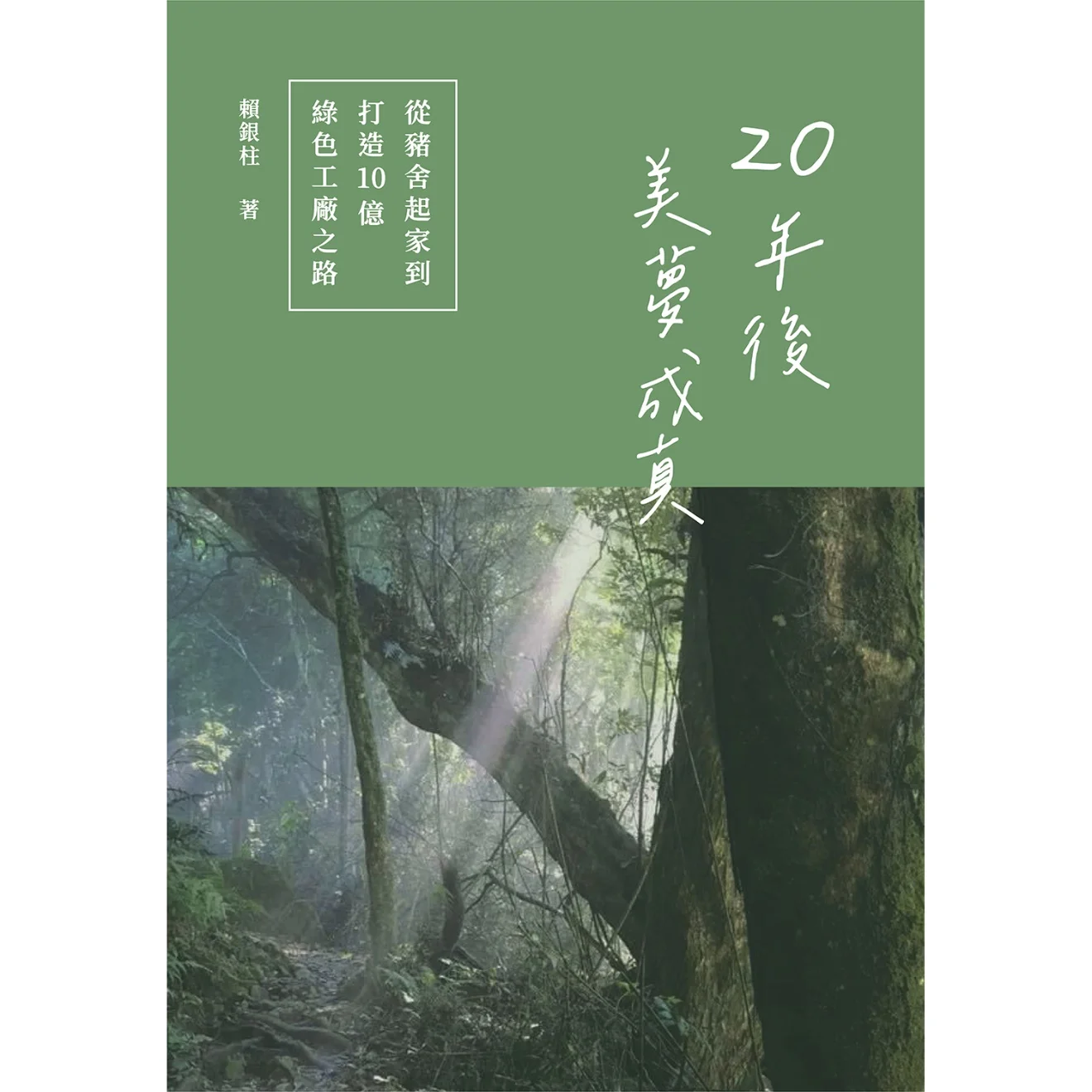
In the summer of 2026, LAYANA founder Layard Lai (賴銀柱) published his memoir, Realizing Dreams 20 Years Later: The Journey from a Humble Pig Shed to an NT$1 Billion Green Factory (20 年後美夢成真:從豬舍起家到打造 10 億綠色工廠之路), celebrating its official launch at the company’s headquarters in Changhua, Taiwan. On the opening page, he sets a modest tone: “This is not a hero’s story. It is the candid record of a precision machinist who turned a bold vision into reality through clear reasoning and steady persistence.”
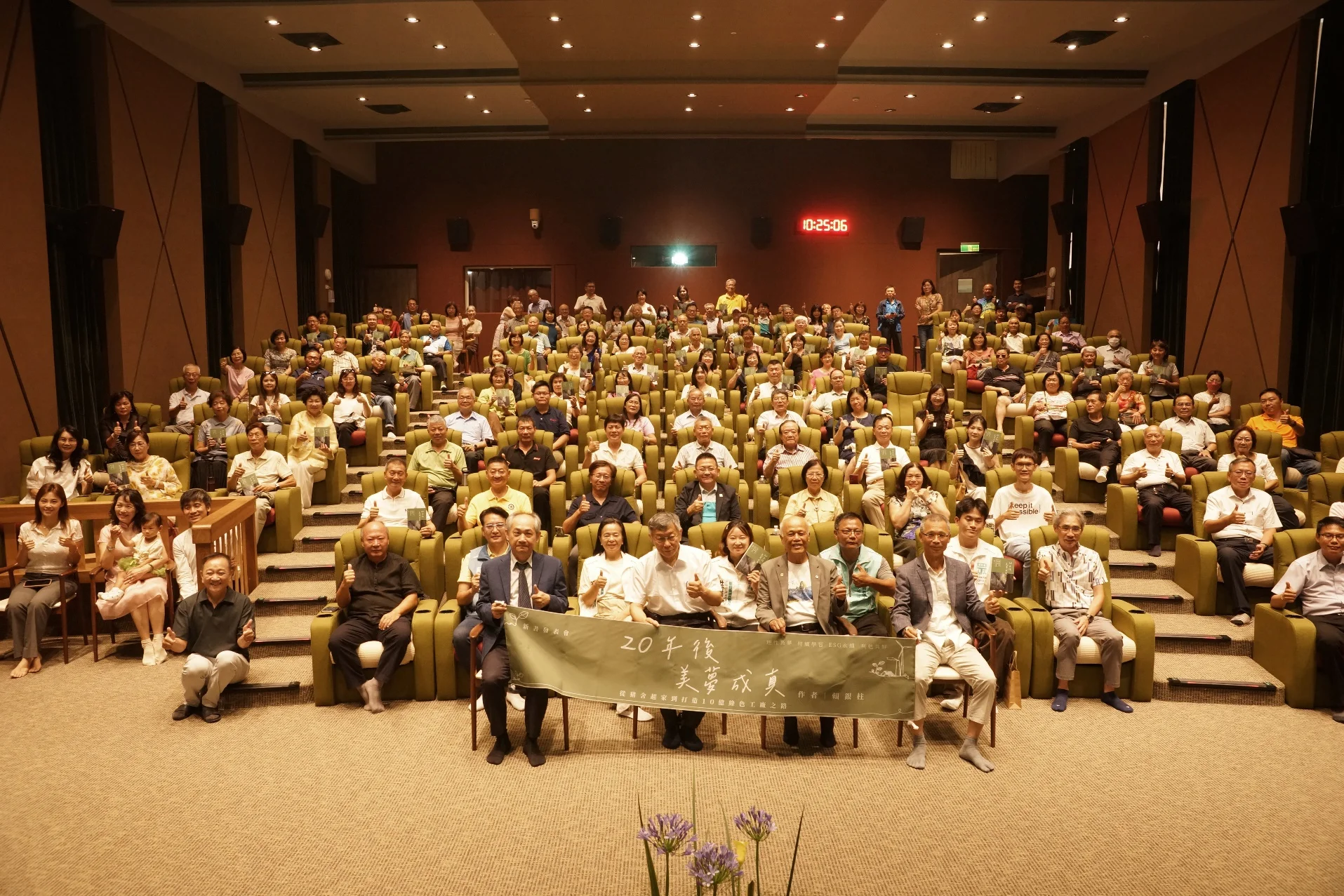
In the book, he shares the candid lessons and practical decisions that shaped his career. Guided by what he calls a “dream with boundaries”—a philosophy that pairs bold ambition with realistic planning—the book traces LAYANA’s transformation from a modest rural workshop into an internationally certified green manufacturing enterprise supplying the global automotive and electronics industries.
The Early Years: Starting from a Humble Workshop
In 1982, after completing junior high school and honing his skills in progressive die stamping through nine years of demanding hands-on work in northern Taiwan, Lai returned to Changhua to start his own business. With no family wealth or institutional credit, he launched the company with two modest funding sources totaling NT$400,000 (approximately US$10,000). His mother raised NT$200,000 (approximately US$5,000) through a traditional community savings circle, where neighbors pooled money to fund local businesses long before venture capital reached rural areas. His father secured the remaining NT$200,000 (approximately US$5,000) by mortgaging half a hectare of family farmland.
LAYANA began in Baobu Village in a converted pig shed previously used by Lai’s eldest brother. The workshop occupied just 100 square meters (around 1,076 square feet) and operated with basic secondhand machinery. What started as a solo operation gradually grew into a close-knit team of twelve who shared their daily meals. Although unpaved country roads frequently trapped delivery trucks in the mud, customers kept making the difficult trip because Lai prioritized reliable precision over low prices.
However, a growing workforce and plentiful orders did not guarantee financial stability. The company spent excessive unpaid hours repairing dies at customer factories, constantly leaving the team scrambling to secure funds before the daily 3:30 p.m. commercial banking deadline.
A closer review of these field-service records revealed that simply staying busy with free maintenance was eroding profits rather than building long-term value. Standalone die sales generated only one-time revenue, while customers’ improper use led to repeated repairs and additional training. LAYANA provided this support at no extra charge, gradually reducing the profit from each sale.
After recognizing this flaw, Lai changed the entire business model. LAYANA stopped selling standalone tooling. Instead, the company kept its precision mold-making capabilities in-house and built an integrated production line combining metal stamping, plastic injection molding, insert molding, and automated assembly for automotive, electronic, and medical components. Tooling optimizations were no longer an unpaid service; they became proprietary assets working directly on LAYANA’s own production floor.
As LAYANA expanded internationally, global OEM customers demanded higher consistency and stricter quality assurance across every stage of manufacturing. This commitment inspired Lai to return to academia later in life, earning a master’s degree in Industrial Engineering from National Taiwan University (NTU) at age sixty. He then brought the Toyota Production System (TPS), Six Sigma principles, and statistical process control directly to the factory floor, using the Process Capability Index (Cpk) to evaluate and improve production stability. Backed by IATF 16949 automotive quality certification as well as ISO 14001, ISO 45001, and ISO 14064 standards, LAYANA strengthened its defect-prevention and continuous-improvement systems to meet the evolving needs of global customers.
The Green Factory: Inspired by Taiwan’s Mountains
Located near the coast, the Lukang headquarters was engineered to handle strong coastal winds and high salinity without relying on heavy air conditioning. The building uses natural ventilation towers that draw cool air upward through the floor, keeping indoor temperatures 3 °C to 5 °C cooler than in typical metal factories. Beneath the foundation, a 1,800-ton cistern collects rainwater for plant operations and landscaping, while a four-story Automated Storage and Retrieval System (ASRS) above ground maximizes logistics efficiency.
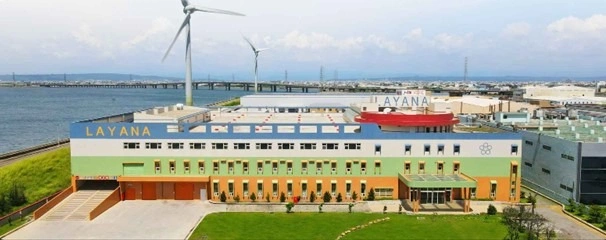
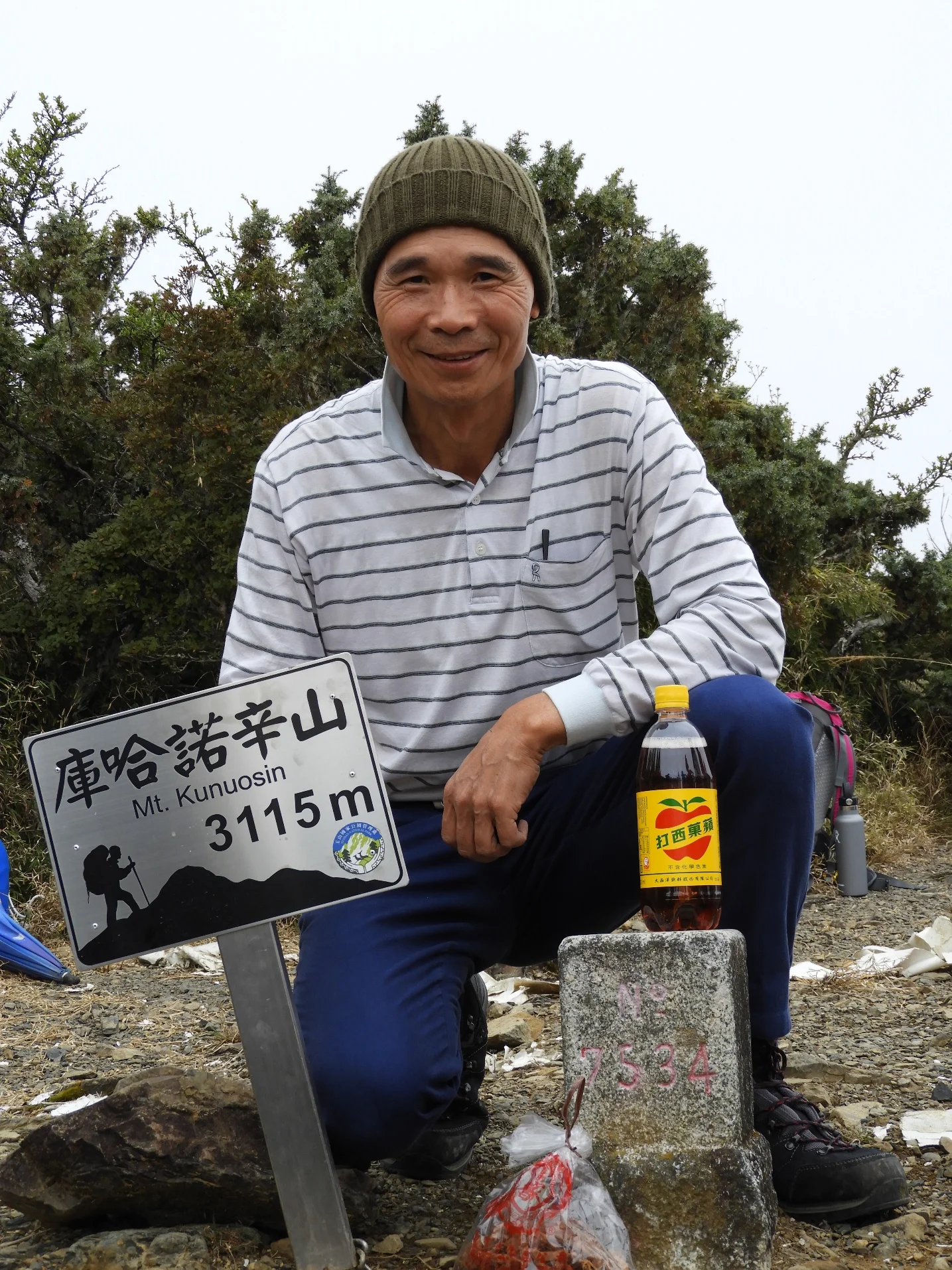
The vision for this eco-friendly campus grew out of Lai’s personal passion for climbing Taiwan’s 3,000-meter mountain peaks, including Mount Jade. Decades of high-altitude trekking taught him that nature wastes nothing and survives through resource circulation. Determined to bring this conservation mindset into manufacturing, Lai set out to earn Taiwan’s official Green Factory Label, a national certification requiring both Gold-Level Green Building status for the facility and Cleaner Production certification for its operations. At the time, the label was held almost exclusively by semiconductor and display giants such as TSMC and AUO, which had dedicated sustainability teams and multimillion-dollar budgets.
When LAYANA’s managers consulted industry specialists, the feedback was discouraging: “You operate a conventional metal-stamping plant, not a cleanroom chipmaker. You lack the data systems and the budget. This is an impossible task for a small manufacturer.” The team was ready to give up, but Lai refused to back down. He told them: “We are not doing this just to hang a certificate on the wall. We are doing this to modernize our entire company. If the big players can do it, we can do it on our own scale.”
Following Lai’s lead, LAYANA pushed forward without hiring expensive consultants. LAYANA’s own staff built the required digital tracking, live power monitoring, waste-heat recovery, and water-recycling systems from the ground up. When the government evaluation committee arrived for the on-site audit, they found these conservation practices operating as part of the plant’s daily routine rather than as paperwork prepared just to pass an inspection. The committee chair remarked: “Many large companies treat this as a paper exercise. You built these systems with your own staff and made them part of your daily routine.” LAYANA passed the audit with 93 points, well above the 75-point qualifying mark, establishing the Lukang headquarters as a certified Green Factory partner for global OEMs.
Completing the Lukang campus and earning the certification fulfilled the 20-year goal Lai had set for the company. Rather than keeping those lessons to himself, he decided to document the entire journey in a book so that young entrepreneurs and fellow manufacturers could learn from the challenges, mistakes, and decisions behind LAYANA’s transformation.
The Book: An Honest Record for Builders
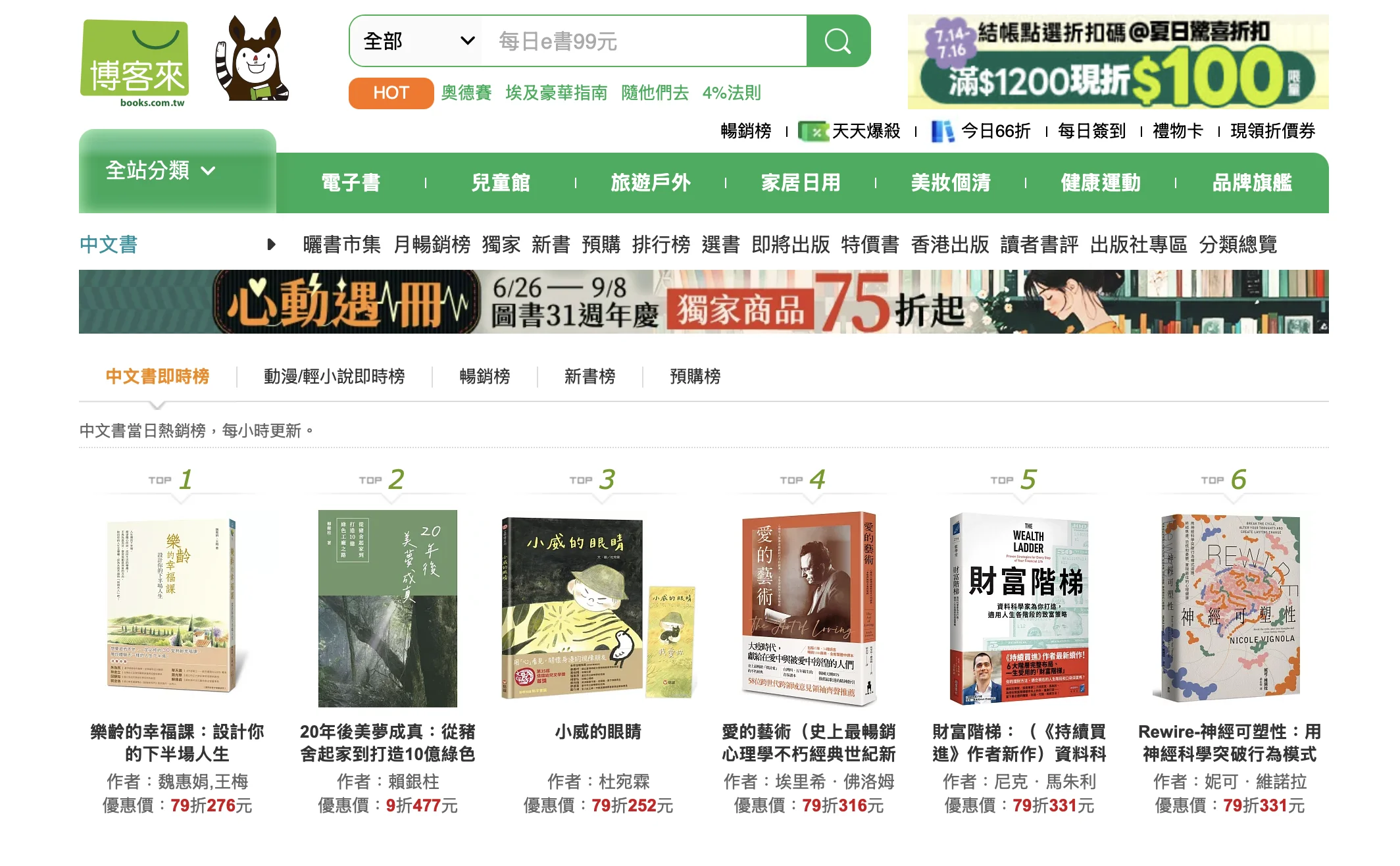
Within days of its release in July 2026, Realizing Dreams 20 Years Later (available from the official LAYANA Store) reached the top tiers of Books.com.tw, the leading bookseller in the Chinese-speaking world:
- #2 Overall Real-Time Bestseller
- #3 Business & Financial New Releases
- #4 Seven-Day Business Bestseller
Reflecting on the readership’s response during post-launch symposiums, Lai noted with characteristic humility:
“If a book has two hundred pages, and even a single paragraph helps a young entrepreneur avoid a fatal mistake or save hard-earned capital, its existence is fully justified. This book is not my personal achievement; it is our gift to the hardworking industrial spine of Taiwan.”
The lessons from Lai’s forty-year journey live on in the core capabilities that define LAYANA today. The trust he first earned along the muddy roads of Baobu Village has grown into a lasting commitment to reputation and service, always focused on maximizing customer value. His early decision to stop selling standalone dies evolved into true manufacturing excellence, uniting metal stamping, injection molding, automation, and assembly under one roof, while his pursuit of advanced engineering continues to drive LAYANA’s leadership in insert molding. Combined with the Lukang Green Factory and IATF 16949 certification, these capabilities strengthen supply-chain resilience and reduce global production risks for partners building the future of electric vehicles, supercharging stations, and new-energy equipment.